Green Views
Mar 18, 2026
The launch of the BCRS comes at a time when recycling, as an idea, is no longer contested in Singapore, but how it fits into everyday life still is. Most people understand why recycling matters, and many accept that a certain level of inconvenience is necessary if we are serious about reducing waste.
In that sense, the scheme is not trying to win hearts and minds on why sustainability is important. The more interesting (and challenging) question is whether it has learned enough from past initiatives to get the "how" right, especially once the headlines fade.
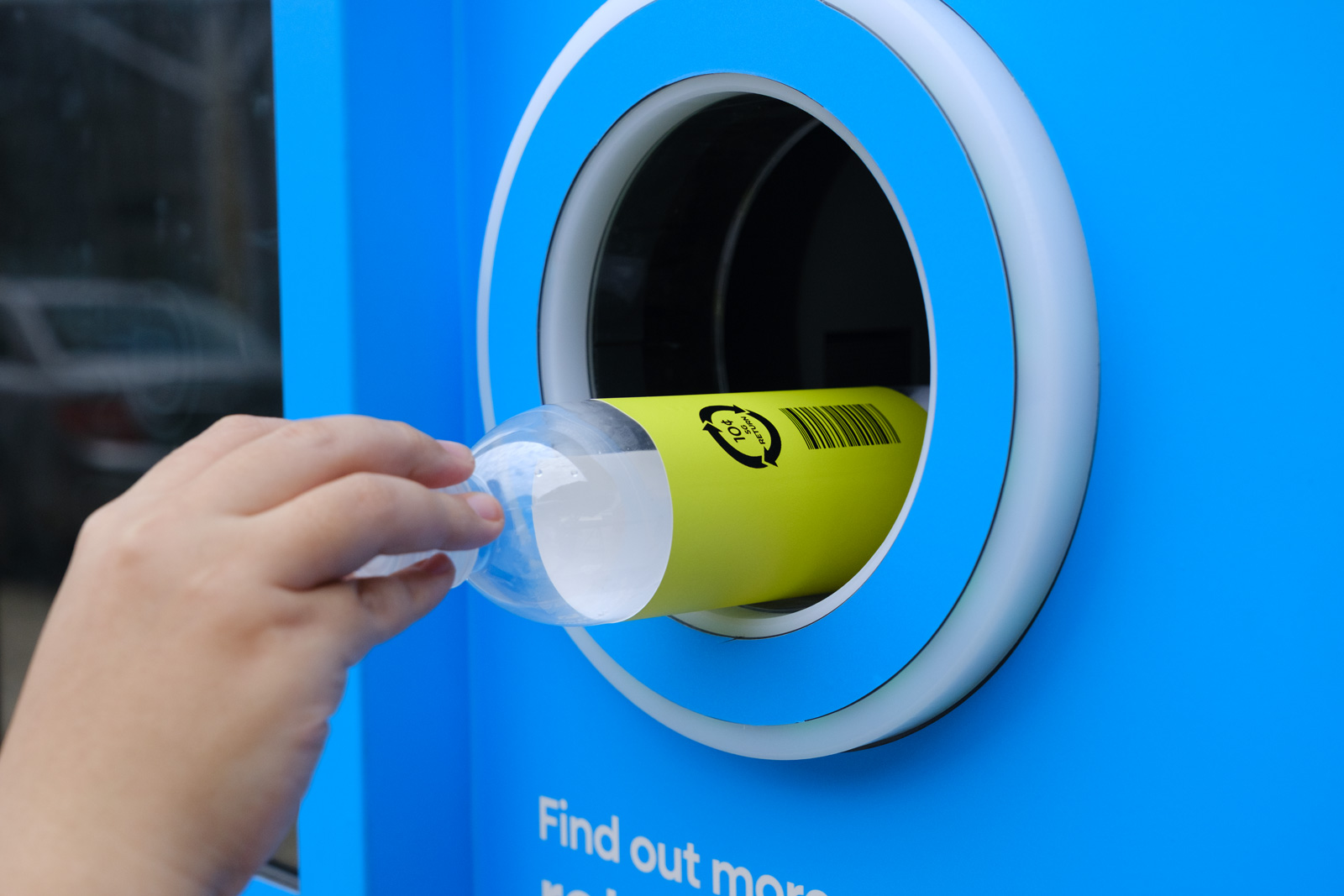
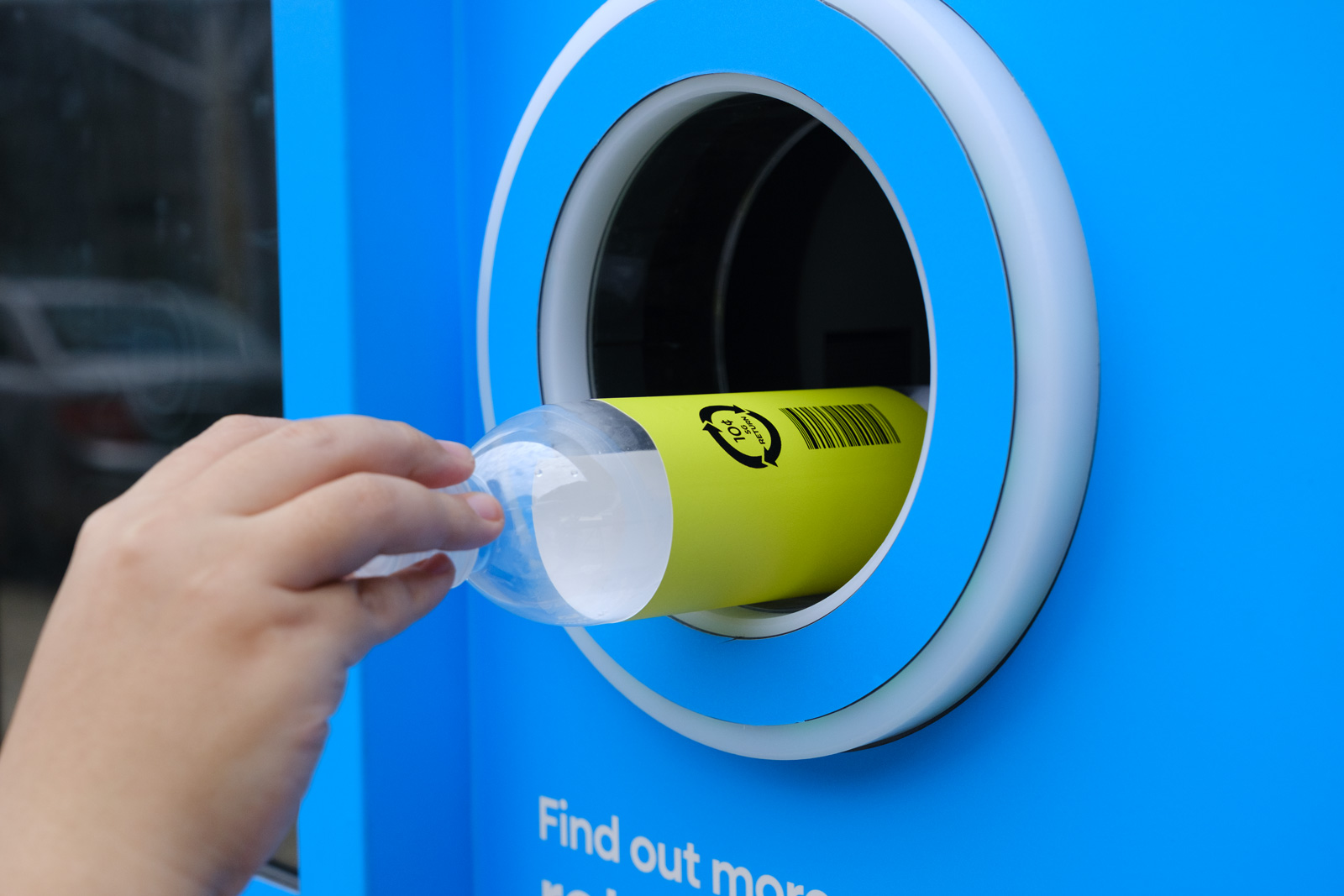
Launching in April, this scheme adds a 10-cent refundable deposit to selected bottled and canned drinks*. Consumers can reclaim the deposit at designated return points, such as reverse vending machines.
For example, you might buy a bottled tea at a convenience store, finish it on your way home, and drop the empty bottle into a nearby machine to get the 10 cents back.
The scheme also reflects Extended Producer Responsibility: beverage producers are responsible for ensuring containers are collected and recycled via the licensed scheme operator, rather than leaving the burden entirely on consumers or the government.
*Most common containers are included — all plastics and metals (e.g., PET, HDPE, PP, PS, aluminium, steel), all pre-packaged beverages (water, soft drinks, coffee/tea, dairy drinks, cordial, and alcohol), all container shapes (bottles, cans, cups), and sizes from 150 ml to 3 litres.
Find out more details at returnright.sg/.
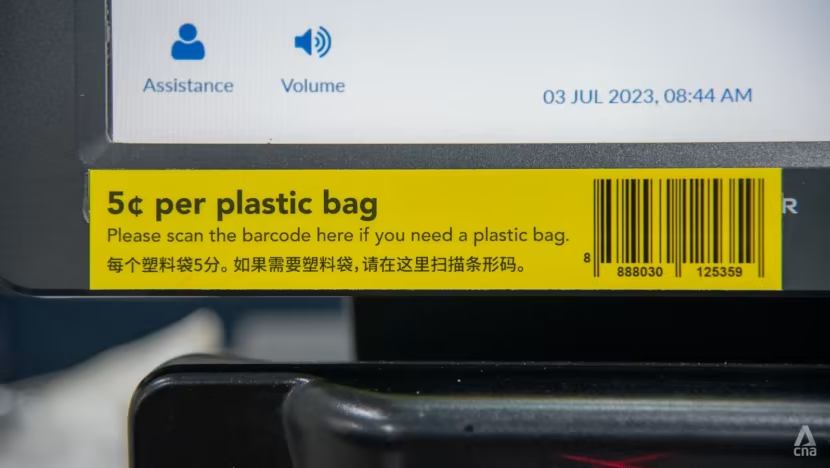
Schemes related to environmental behaviour over the past few years such as the tray return initiative and the plastic bag charge show that behaviour change in Singapore is possible, even when it is initially unpopular. Over time, these measures have become part of daily life.
What is notable is how people relate to them now. The charges involved are not trivial, but they have become normalised. Importantly, they are framed as costs you choose to incur. If you forget a reusable bag, you accept the charge. If you do not return your tray, you bear the consequence.
This “stick” approach simplifies the mental model. Compliance becomes the default, not because people are constantly persuaded, but because the alternative is clearly defined and consistently enforced.
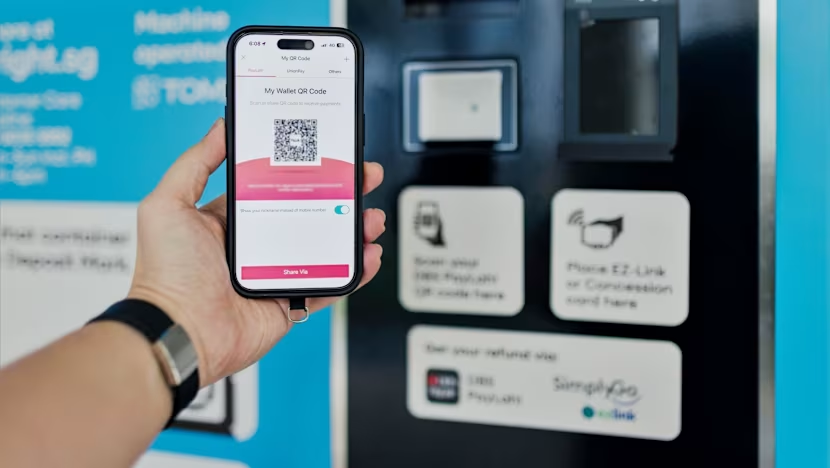
The beverage container return scheme introduces a different behavioural mechanism. Instead of penalising inaction, it rewards action. You are not fined for not recycling a bottle, but you receive a small incentive when you do.
This matters because a carrot triggers a different mental process. Instead of asking, “What happens if I don’t comply?”, people eventually will ask, “Is this worth doing it?”
In Singapore especially, this calculation is pragmatic. People weigh effort against outcome. They assess whether the trouble involved i.e. walking to a return point, dealing with a machine, outweighs the value of the incentive offered. Afterall, if one has to spend 2 mins to find the nearest machine just to get back 10 cents, this may not appeal to everyone.
This does not mean the incentive is ineffective. It means that friction suddenly becomes far more visible. When a system relies on rewards rather than penalties, small inconveniences matter disproportionately. A full machine, unclear instructions, rejected containers, or uncertainty about refunds can easily tip the balance from “worth it” to “not worth the hassle.”
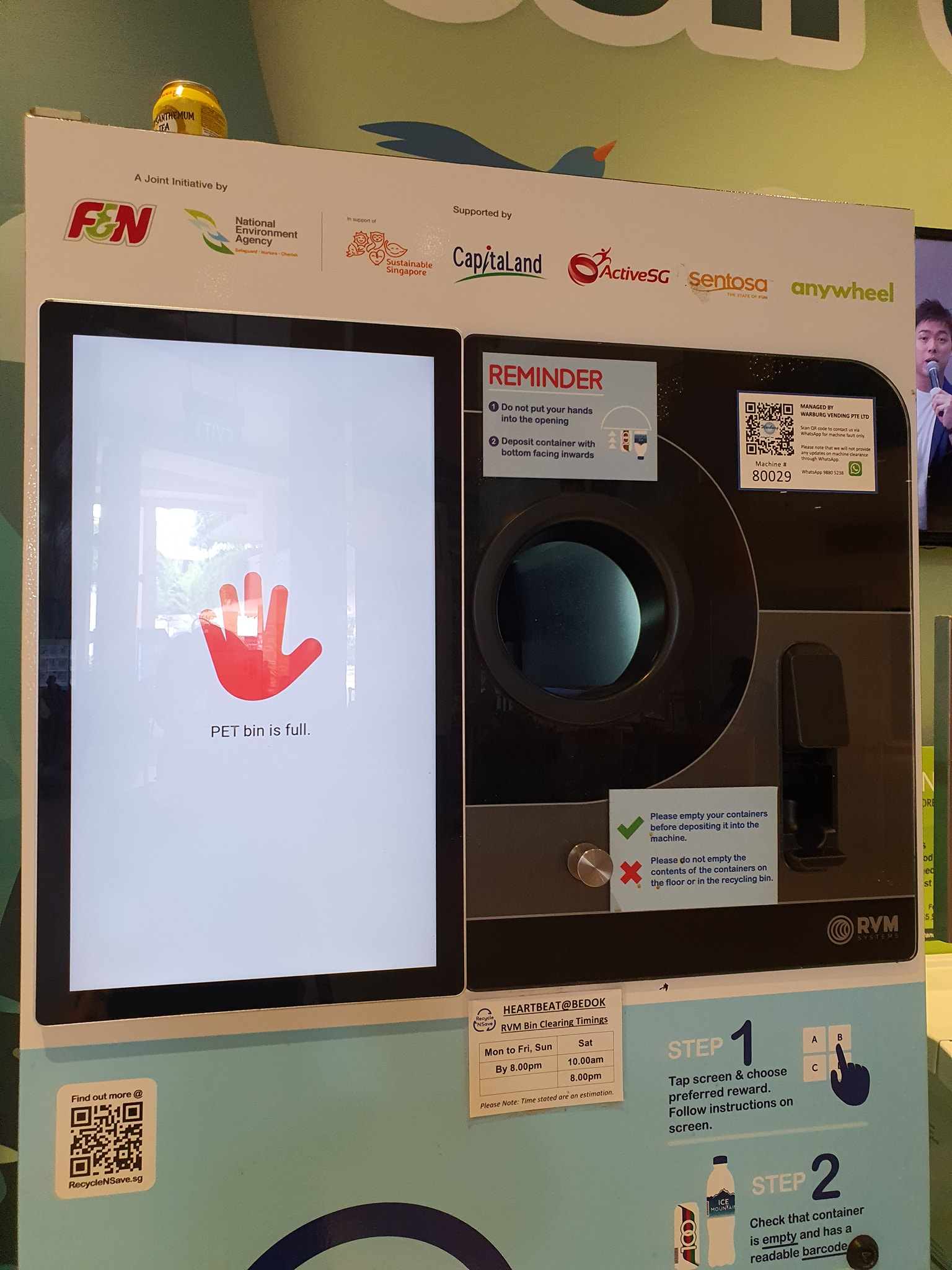
This is where many sustainability initiatives struggle not because people disagree with the goal, but because the system does not sufficiently respect how people make everyday decisions.
From a consumer’s perspective, recycling often feels simple. But from a system perspective, it is anything but. Machines require space, electricity, cleaning, and maintenance. Containers overflow. Items get rejected. Refund mechanisms fail or feel unclear. Where our office is located in Bedok, I have personally witnessed how the various types of recycling machines have shifted around the neighbourhood over the years because these machines were occupying space; occurring disagreements over paying for the space, and handling overcapacity machines.
When these frictions accumulate, the incentive loses its psychological pull. People may still support recycling in principle, but behaviour quietly drops off because the effort no longer feels justified.
In a carrot-based system, minimising friction is not a “nice to have”. It is central to whether the behaviour takes hold at all.
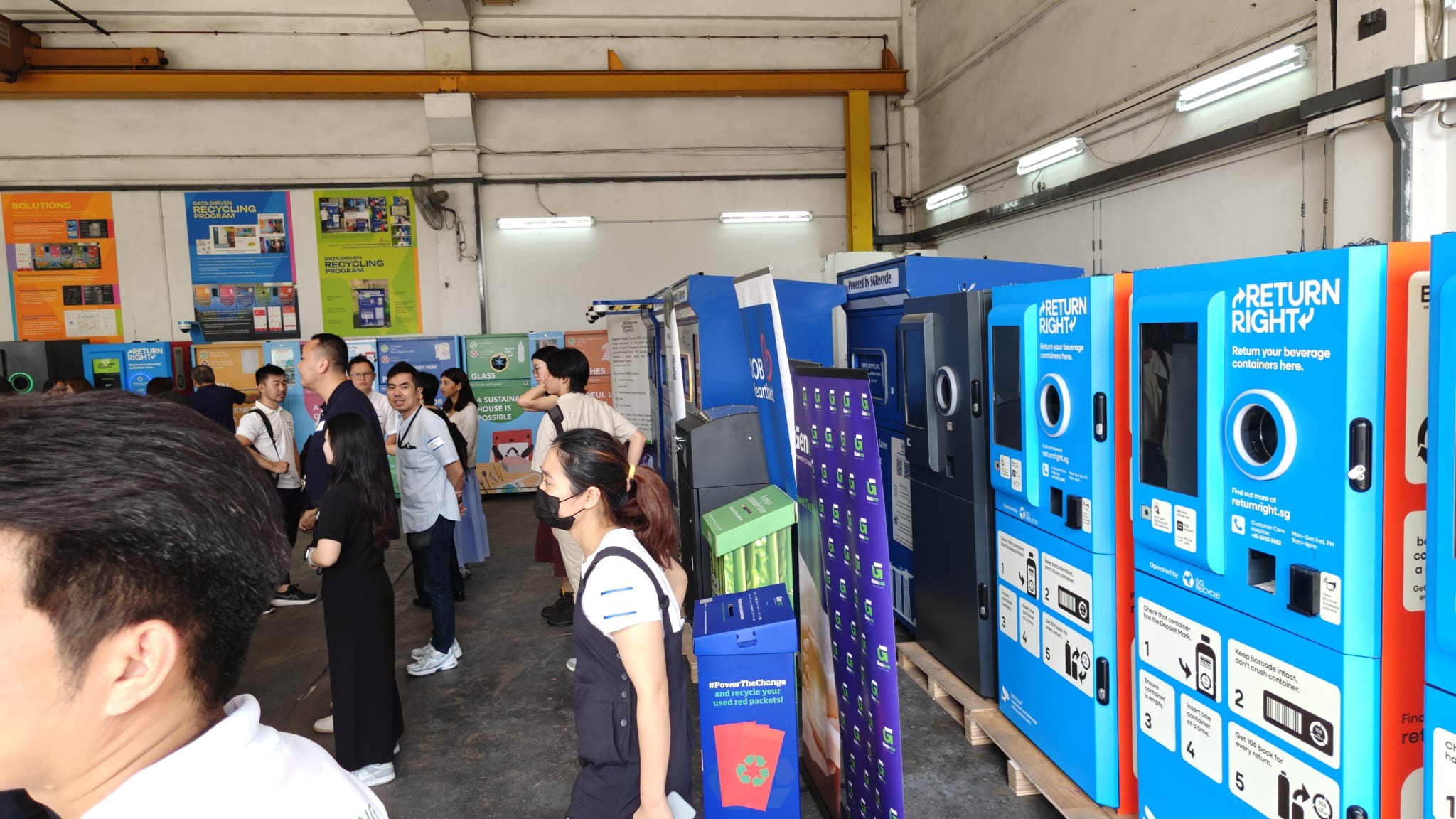
This is why mature deposit return schemes elsewhere place heavy emphasis on system design behind the scenes. Producers fund the system. Retailers and collection points are compensated for hosting machines. Responsibility for maintenance, cleaning, overflow, and logistics is clearly assigned to operators rather than left ambiguous. In Singapore, return-point network operators (like SG Recycle) are explicitly tasked with not just installing machines but also maintenance/cleaning and logistics.
These details are rarely visible to the public, but they directly shape user experience. When machines are consistently functional, when responsibility is clear, and when breakdowns are handled quickly, the incentive retains its value in people’s minds. When these elements are weak, the incentive feels fragile and people disengage.
Another factor that shapes the “is this worth it?” calculation is trust in the system’s longevity.
Over the past decade, Singapore has had many worthy players in the recycling scene: efforts such as the RecycleNSave reverse vending machines in 2019 (technically still around, but cash incentives stopped in 2023), SG Recycle Machines in 2021 (inactive since 2025), neighbourhood blue recycling bins introduced in 2001, and the Bloobox vending machine in 2023, which allows people to collect their own recycling bins.
People are hesitant to adjust habits for schemes that feel temporary, experimental, or likely to change. If the incentive feels uncertain, such as anticipating a drop in the reward after a while, or if past initiatives have quietly faded away, behaviour becomes transactional rather than habitual. Some rush to redeem immediately; others decide it’s not worth learning at all.
Signalling permanence matters. Clear ownership, stable rules, and transparent communication help people feel that the effort they invest today will still make sense tomorrow.
It is also worth recognising that the launch of this scheme will not occur in a quiet communications environment. Policy announcements in Singapore often cluster, and the 1 April launch window will likely coincide with other major legislative and social updates competing for attention across different segments of the population.
Parents, for instance, may be more focused on changes to parental leave or childcare-related policies, while others may be paying closer attention to healthcare insurance or employment matters. We will also be celebrating the launch of our own space agency.
In this context, it is reasonable to expect that the first few weeks of the beverage container return scheme will feel messy and, at times, confusing. Information will be diluted, messages may not land evenly, and not everyone will immediately understand what to do, where to go, or how the system works.
Rather than seeing this as a failure, it may be more productive to treat this initial phase as part of the transition itself — a necessary adjustment period where expectations are managed, feedback is gathered, and communication is gradually refined as the system settles into everyday use.
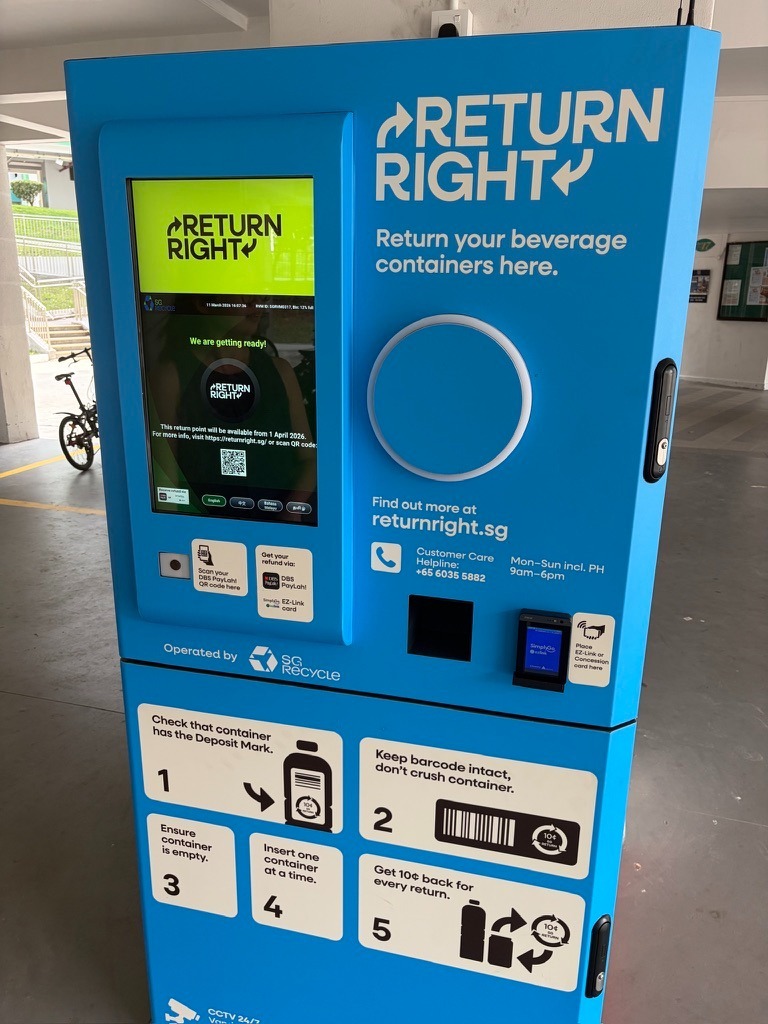
As sustainability initiatives expand, there is also a real risk of information overload. For the average person who is not deeply invested, an increasingly fragmented recycling landscape becomes hard to navigate. Adding a new deposit scheme on top of existing recycling rules risks fragmenting behaviour unless cognitive load is actively reduced.
This is particularly risky for incentive-based systems. If people need to stop and think too much about what qualifies, where to go, or how the process works, the mental cost rises quickly.
The most effective systems simplify the front-end experience. They create clear behavioural lanes, rely on visual cues rather than instructions, and keep complexity in the backend. When people can act without overthinking, incentives work as intended.
Internationally, this is managed by separating behaviours clearly. Systems rely on icons and eligibility cues (logos or markings) so people don’t need to read policy text every time. Ireland, for example, leans heavily on the Re-turn logo as a quick filter for “deposit applies.” With Singapore taking the time to introduce labels for existing drink containers, it will be important for users to look out for this Deposit Mark logo, which indicates that the bottle can be returned.
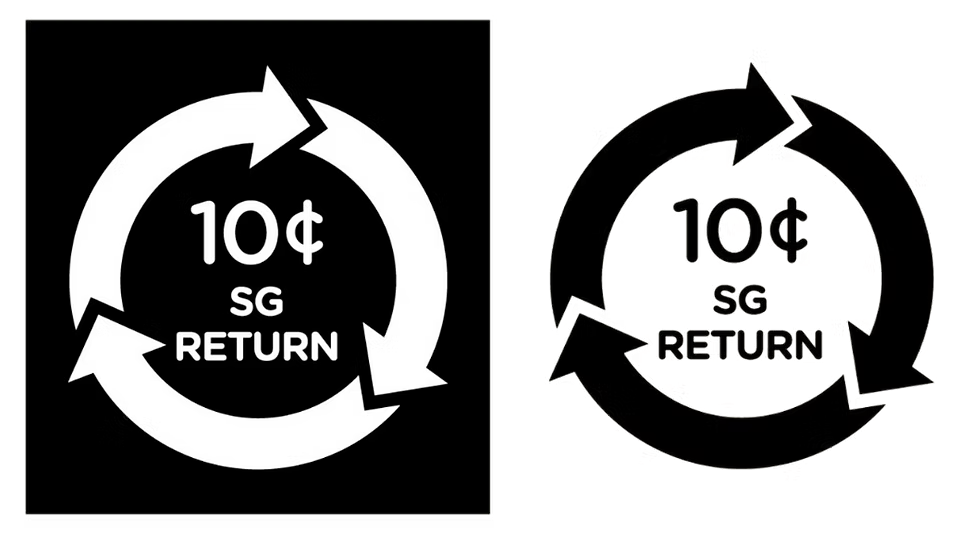
As insignificant as it may seem, this marks the first time in Singapore that items are explicitly recognised as recyclable at the point of purchase, rather than leaving consumers to decide how to treat their recyclables.
It is also worth acknowledging that not everyone will care equally about the scheme when it is launched, and this is neither surprising nor problematic.
Most deposit return systems gain traction through a smaller group of motivated users before expanding socially. What matters is whether that early participation is made visible and meaningful. Community-level narratives, through schools, neighbourhoods, events, or causes, help turn individual actions into shared momentum. For many, the social signal matters more than the personal refund.
There are also broader questions of inclusion and scope. Will large-scale events, such as marathons or the National Day Parade, be meaningfully integrated into the system? Will hotel beverage bottles, often consumed by tourists unfamiliar with local schemes, be part of the loop? These contexts generate high volumes of containers, yet sit outside everyday retail behaviour.
Behaviour spreads when it feels normal, not when it feels virtuous.
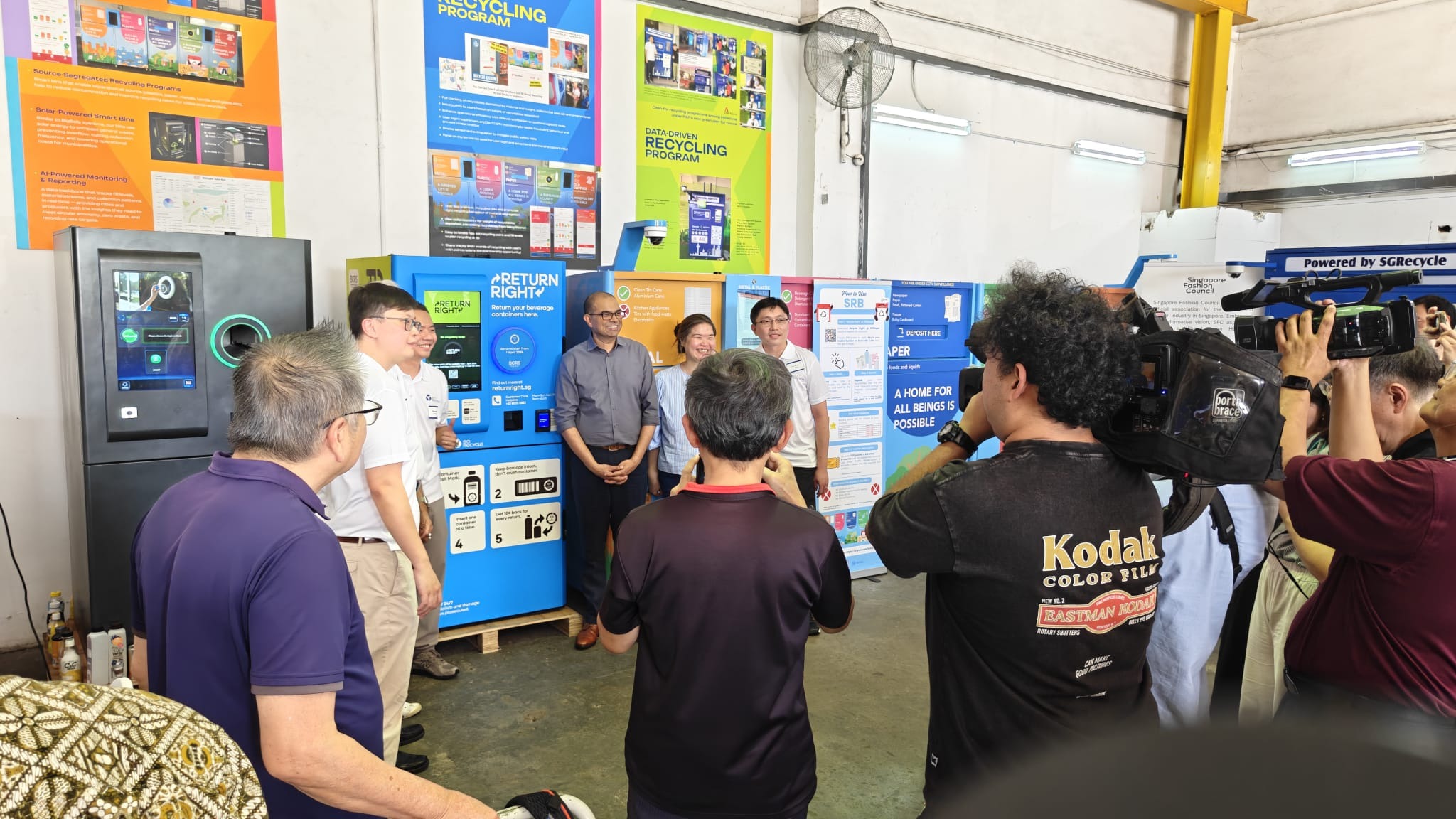
As the scheme is rolled out, some seniors and members of the public may need extra guidance to navigate the changes.
From April to May 2026, Green Nudge, with support from BCRS Ltd, will partner with Active Ageing Centres and community organisations to run outreach sessions that:
Organisations interested in these outreach opportunities are welcome to contact Green Nudge!
At this point in Singapore’s sustainability journey, the question is less about convincing people that recycling matters — understanding is largely already there. The more pressing task is to make systems feel coherent, reliable, and worth engaging with over the long term.
That means learning deliberately from what we already see around us. It means recognising that good intentions are necessary but insufficient. And it means designing schemes that do not just look good on paper, but make sense in daily life — especially when things are inconvenient, uncertain, or imperfect.
The beverage container return scheme has the opportunity to do exactly that. Not by being flawless from day one, but by showing that it has learned from existing schemes, anticipated real-world friction, and designed for how people actually behave.
If it succeeds, it will not just add another recycling initiative to the landscape. It will strengthen trust in the idea that sustainability systems in Singapore are not only well-intentioned, but well-designed.
Get the latest news from Green Nudge
Green Views
Nov 23, 2025
5 min
read
As Singapore households shrink in size, we’re facing a quiet paradox: our per-capita waste is falling, yet the total amount sent to Semakau landfill keeps climbing. It may look like we’re throwing away less individually — but the mountain of waste continues to grow. Why?
Green Views
Nov 14, 2025
5 min
read
Singapore’s waste system was built to keep a young, fast-growing city clean and disease-free. It worked brilliantly. But the same system is now struggling against the sheer volume and complexity of waste we produce today.
Green Views
Sep 10, 2025
5 min
read
After years of organising urban cleanups across Singapore—from beaches and parks to urban streets and heartland void decks—we’ve come to expect a few constants: the occasional plastic bag, drink bottles, maybe even an abandoned umbrella. But the one thing that shows up every single time we do a cleanup? Cigarette butts.