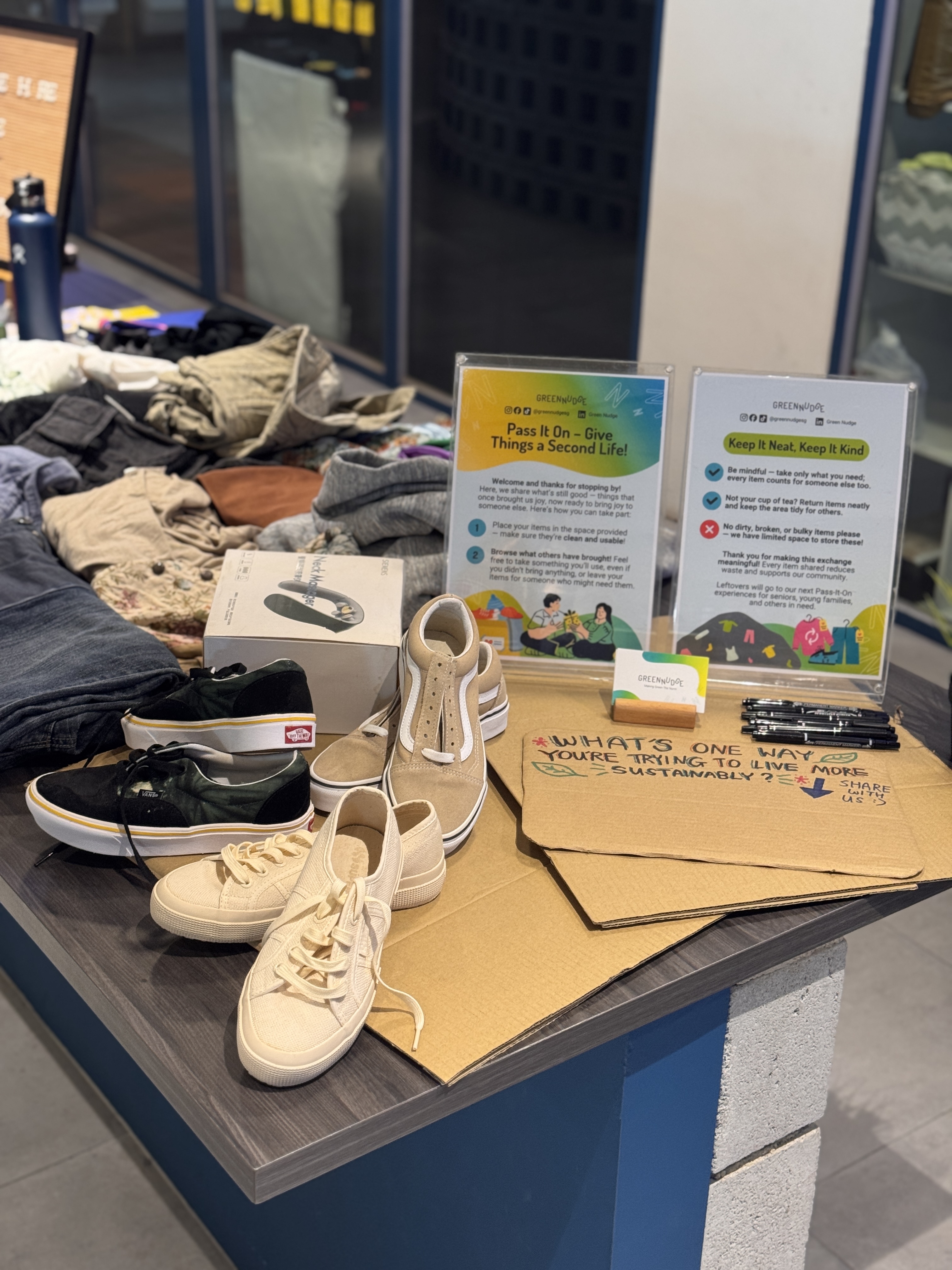
As Singapore households become smaller, we face a paradox: our per-capita waste generation is trending down, yet the total volume of waste heading to Semakau landfill continues to creep upwards.
It may seem like we are throwing away less individually, but the mountain of waste keeps growing. Why?
Globally, research shows that smaller households generate more waste per person. OECD studies reveal that single-person households consume — and discard — more resources than multi-person households. Think about it:
This is not unique to Singapore. In countries like Japan, Germany, and the US, smaller households have been linked to higher per-capita consumption and waste intensity. A Romanian study even found that household spending on furnishings and equipment explained more than a third of the variation in municipal waste.
Smaller households also tend to cook less. Eating out or ordering in adds layers of disposable packaging. Coupled with rising affluence and aspirations for comfort and convenience, this multiplies our waste footprint.
This is why — even as Singaporeans reduce daily waste per person from 0.88 kg in 2023 to 0.85 kg in 2024 — the total landfill intake remains high. Items left after recycling, such as bulky waste, electronics, and mixed materials, continue to trend upwards.
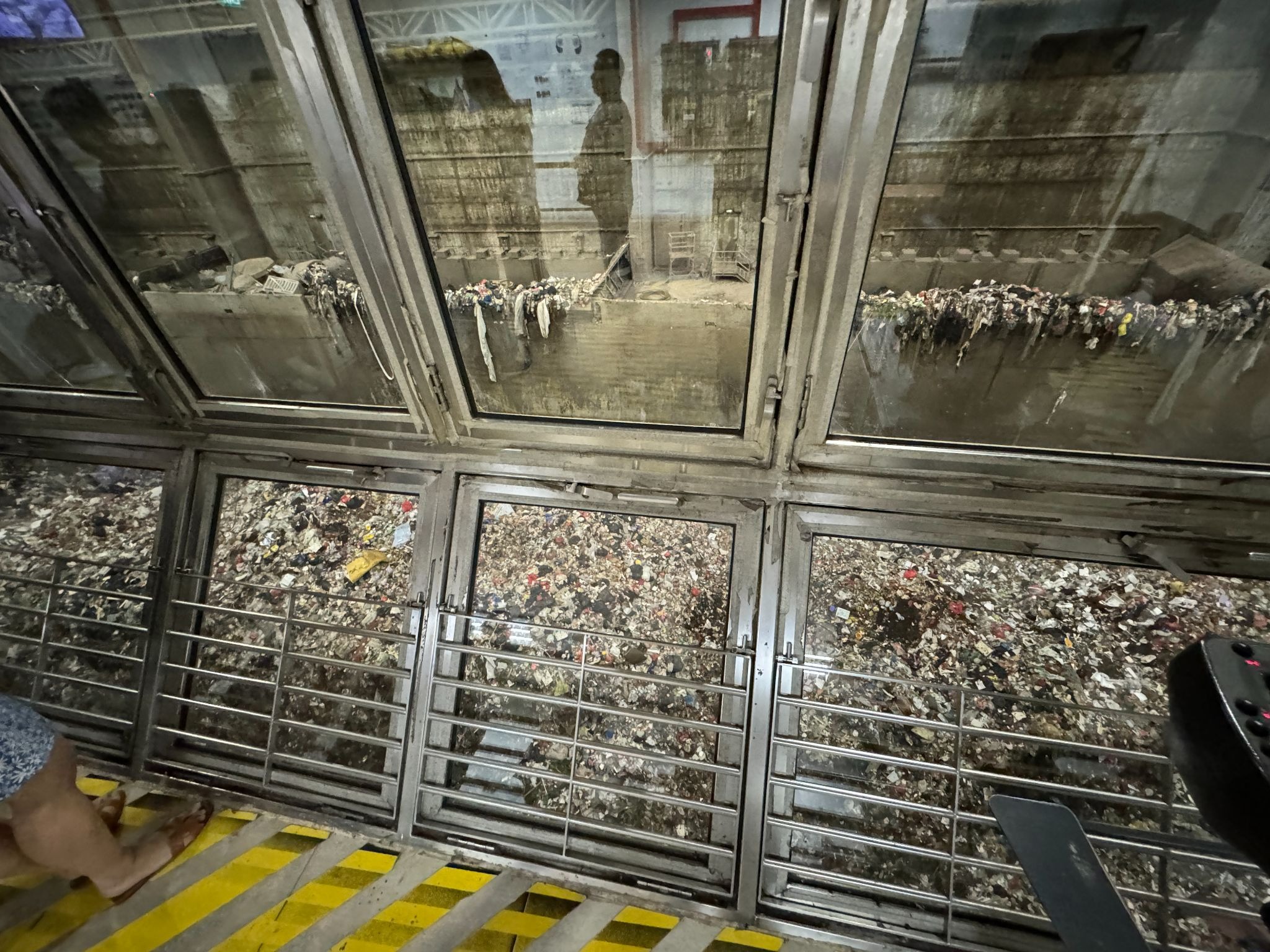
Some might argue: isn’t declining per-capita waste a sign of success? It suggests that policies, education, and nudges are taking root. And in fairness, Singapore has achieved more than a 20% drop in per-capita waste over the past decade, alongside a 30% fall in waste-to-GDP intensity.
This is worth celebrating. But it cannot be the only metric. If the absolute tonnage to landfill keeps rising, Semakau’s life expectancy remains under threat.

The good news: there are examples overseas of how to bend the curve.
Each of these models tackles the duplication problem: not every household needs to buy — and later discard — the same items.
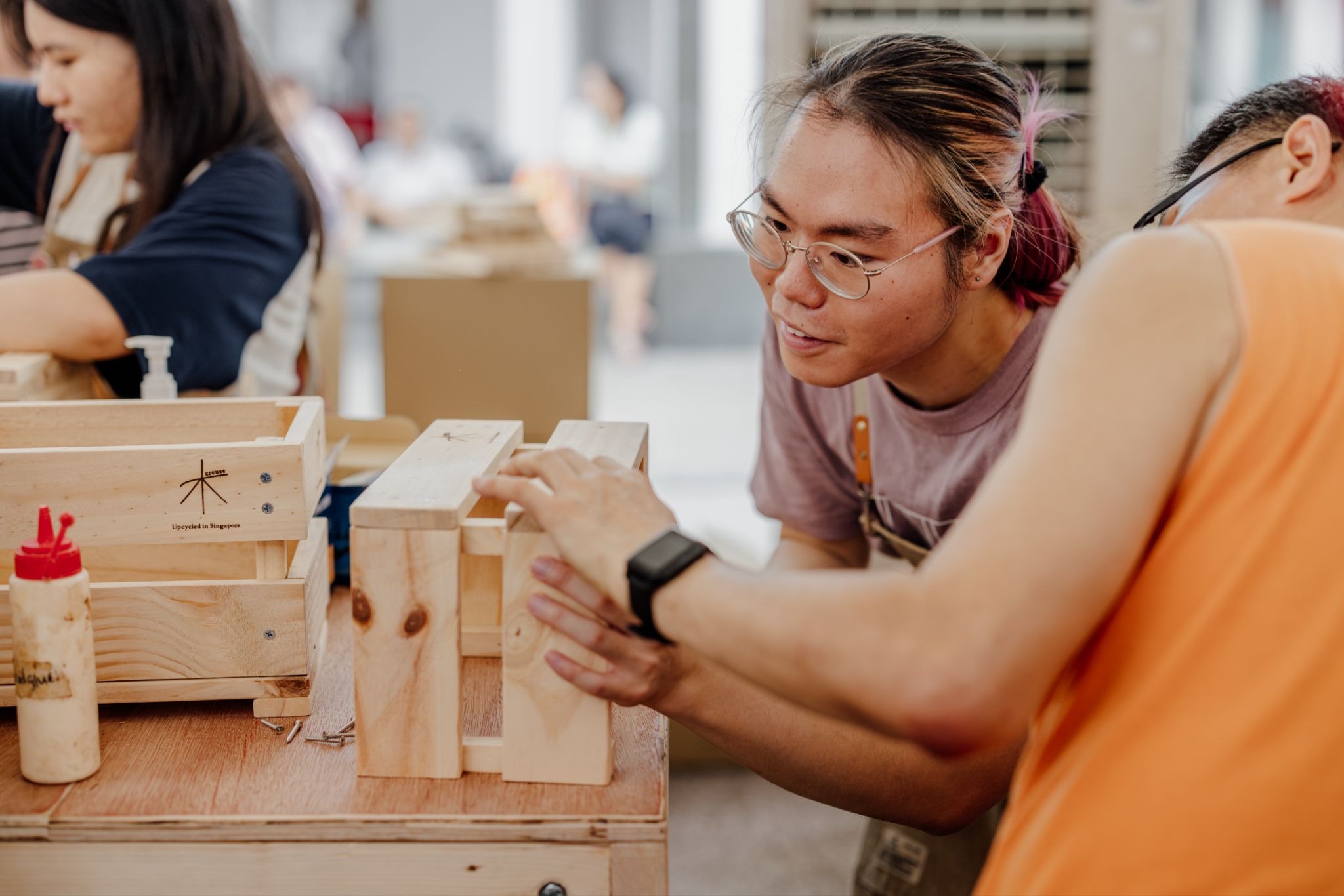
We don’t have to look far — locally, sparks of innovation are already showing:
These are small steps, but they hint at a future where renting, sharing, and repairing become mainstream rather than niche.
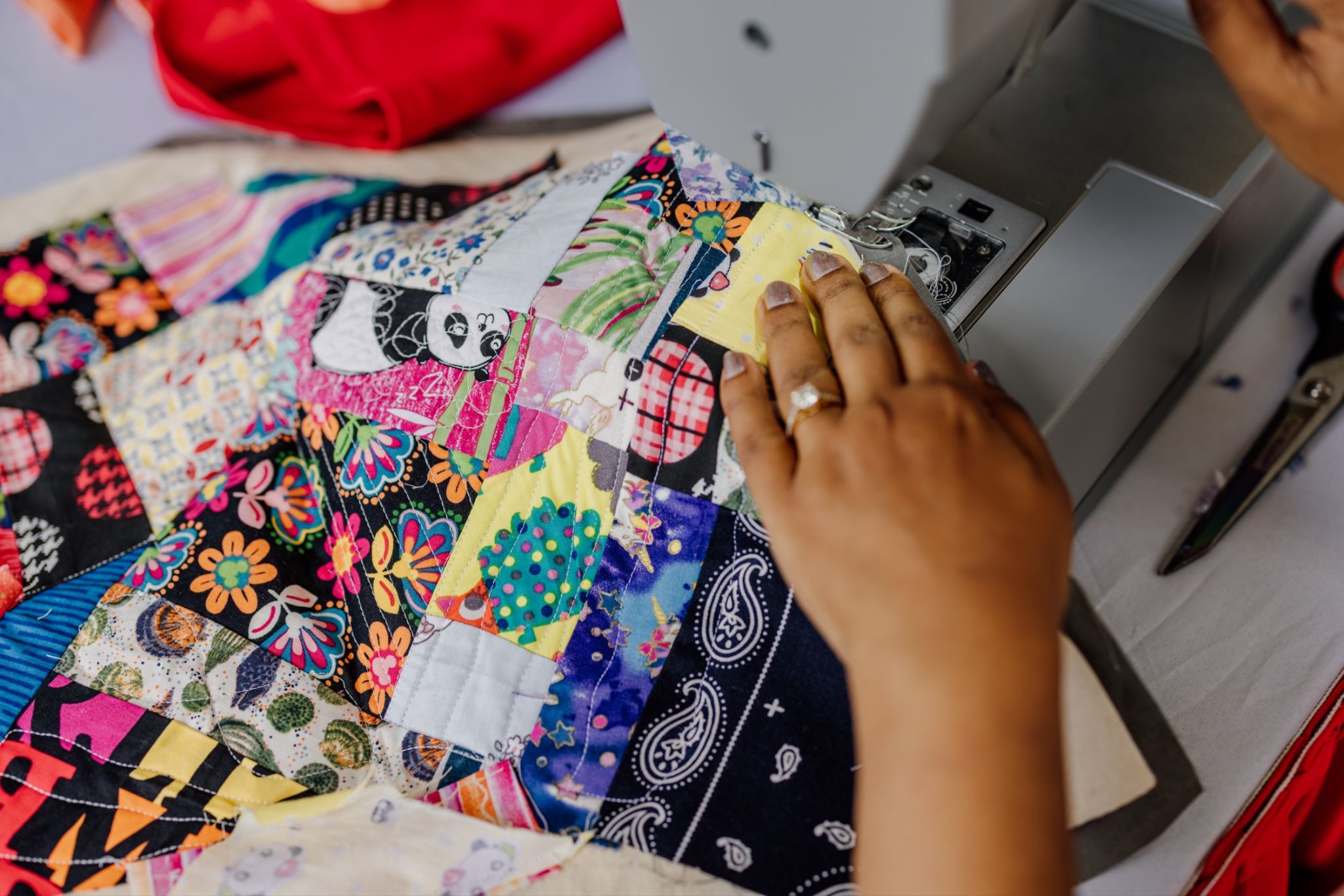
If waste is bound to rise with demographics and affluence, the question is not how to eliminate it, but how to bend the curve. That means making trade-offs:

We often wait for policy or business models to lead, but individuals can nudge this shift:
Singapore has already proven it can reduce per-capita waste. The challenge now is to stop the landfill load from climbing. By anticipating the structural trend of smaller households and higher duplication, we can design systems before the pressure peaks.
The next decade must be about scaling reuse, rental, and repair from side projects to everyday norms. Waste may be inevitable — but how much, and how fast, is still in our hands.
Get the latest news from Green Nudge
Green Views
Nov 23, 2025
5 min
read
As Singapore households shrink in size, we’re facing a quiet paradox: our per-capita waste is falling, yet the total amount sent to Semakau landfill keeps climbing. It may look like we’re throwing away less individually — but the mountain of waste continues to grow. Why?
Green Views
Nov 14, 2025
5 min
read
Singapore’s waste system was built to keep a young, fast-growing city clean and disease-free. It worked brilliantly. But the same system is now struggling against the sheer volume and complexity of waste we produce today.
Green Views
Sep 10, 2025
5 min
read
After years of organising urban cleanups across Singapore—from beaches and parks to urban streets and heartland void decks—we’ve come to expect a few constants: the occasional plastic bag, drink bottles, maybe even an abandoned umbrella. But the one thing that shows up every single time we do a cleanup? Cigarette butts.