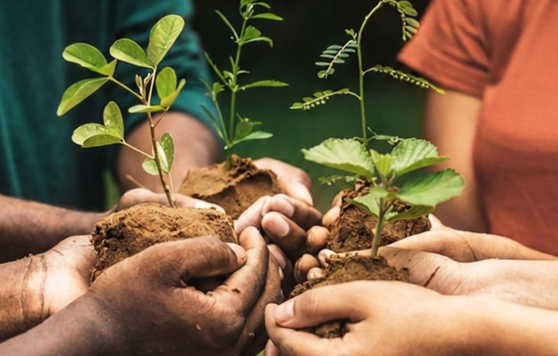
In recent years, sustainability in Singapore has found new energy. There are numerous conversations, visible sustainability pledges and commitments by companies, a wide range of school programmes focusing on sustainability and the environment, and more individuals willing to try, to question, and to change. It can feel as though something has shifted quite suddenly — that sustainability awareness in Singapore has arrived all at once.
But it did not.
What we are seeing today has been built over many years, often quietly and without recognition, by people and organisations who chose to care before it was easy or even welcomed to do so.
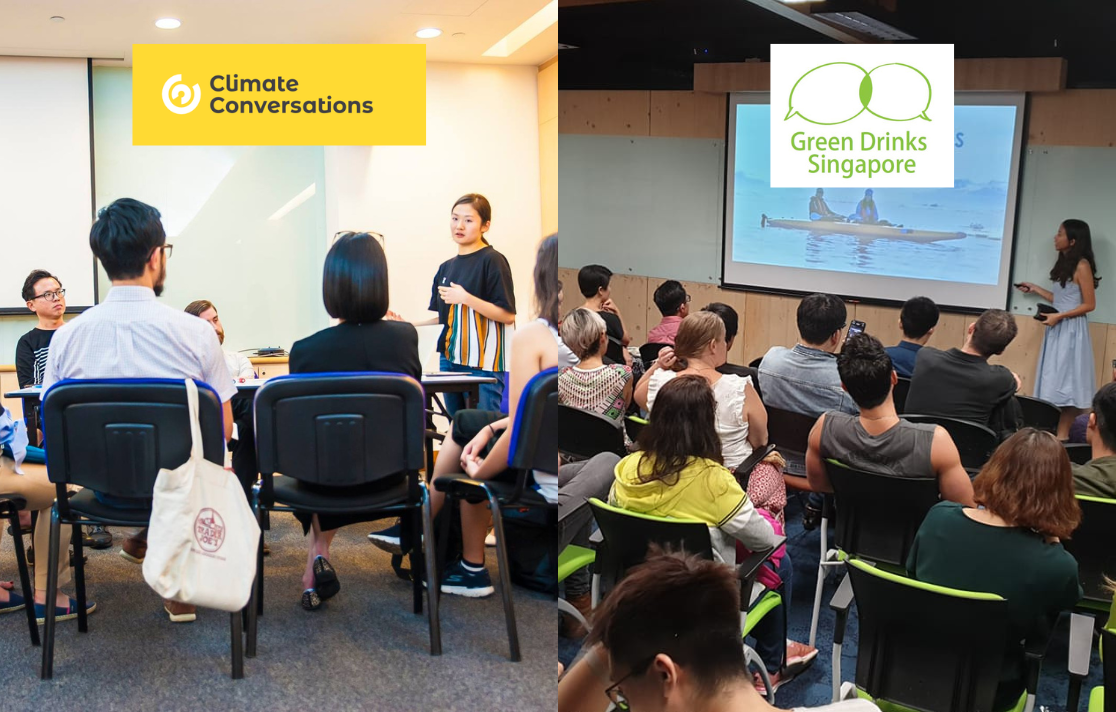
Before “ESG” entered boardrooms, there were individuals creating spaces simply for people to come together and talk. Initiatives like Climate Conversations and Green Drinks Singapore helped normalise discussions around climate, responsibility, and the role each of us plays. These were not always polished or widely attended spaces, but they mattered because they made these conversations possible in the first place.
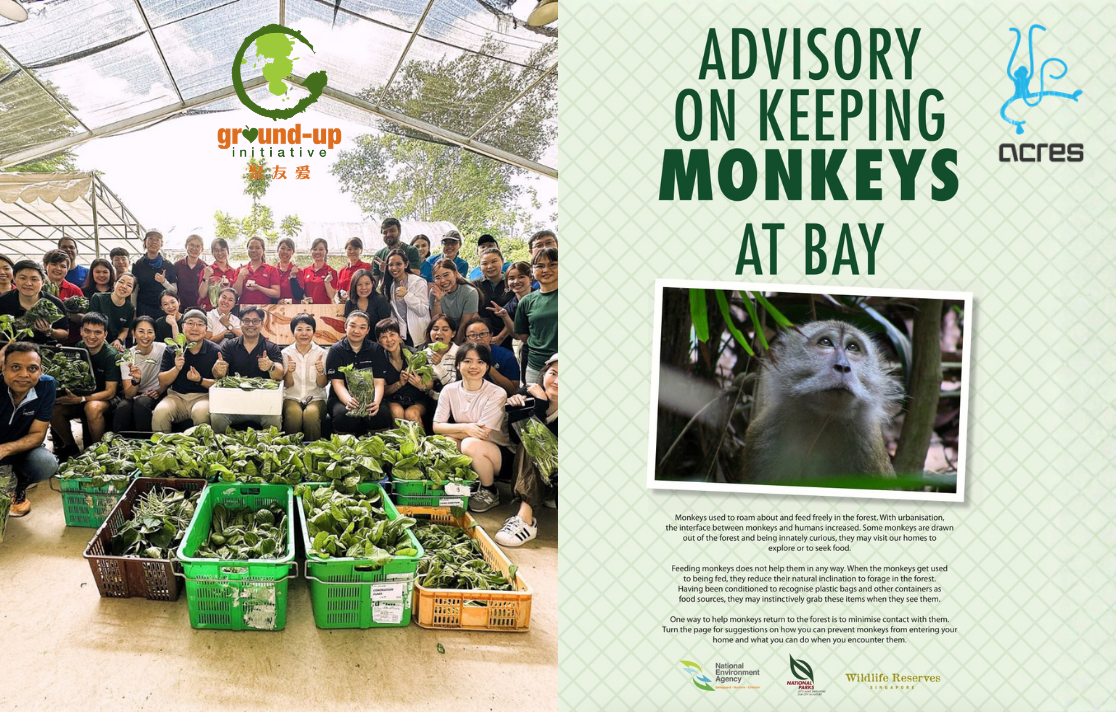
Before sustainability became something that could be packaged, marketed, or scaled, there were communities choosing to live differently. Ground-Up Initiative, led by the late Tay Lai Hock, reminded Singapore that sustainability is not only about systems and efficiency, but also about relationships — with land, with people, and with the pace at which we live. In a fast-moving city, this was a quiet but powerful counterpoint.
There were also those who expanded the moral boundaries of sustainability. ACRES, through the work of former member of Parliament (MP) Louis Ng and many others over the years, brought attention to animal welfare and the ethics of coexistence. In doing so, they challenged us to consider not just how we use resources, but how we relate to other living beings within our shared environment.
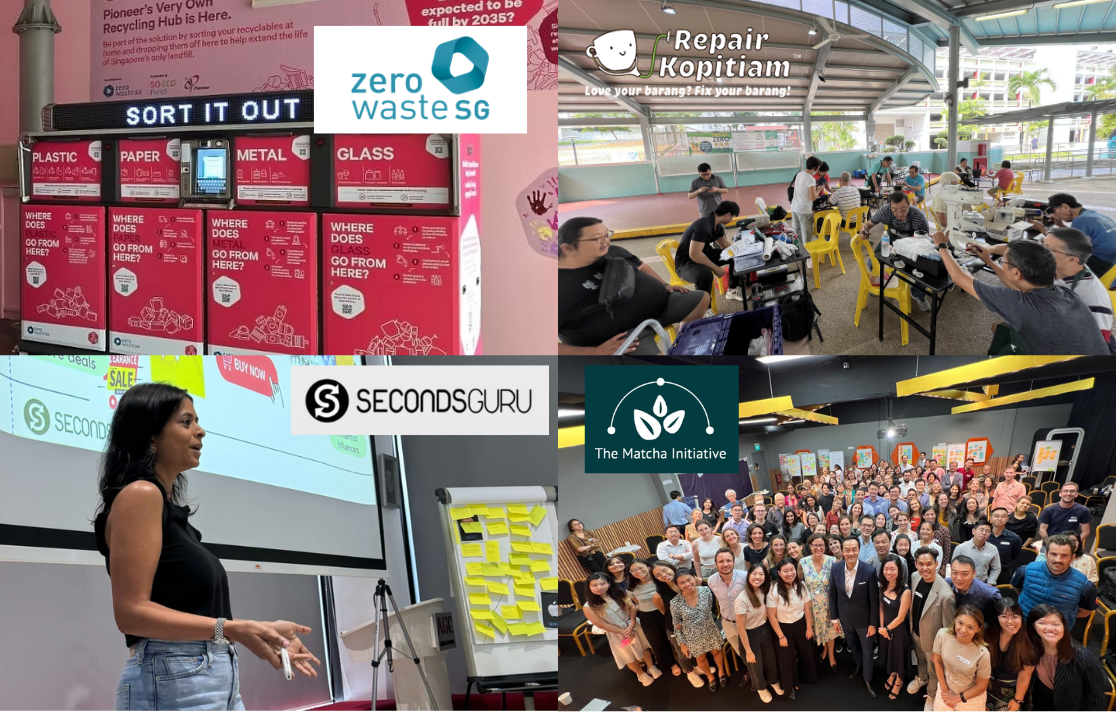
Alongside these were many ground-up efforts that worked on everyday habits. Zero Waste Singapore helped bring waste reduction into public awareness long before it became a mainstream topic. Repair Kopitiam made repair visible and social, showing that fixing things could be communal rather than inconvenient. Secondsguru translated sustainable living into practical, accessible steps for households and communities. The Matcha Initiative, among others, has contributed by creating spaces for youth, professionals, and organisations to engage with sustainability in ways that are thoughtful, accessible, and action-oriented.
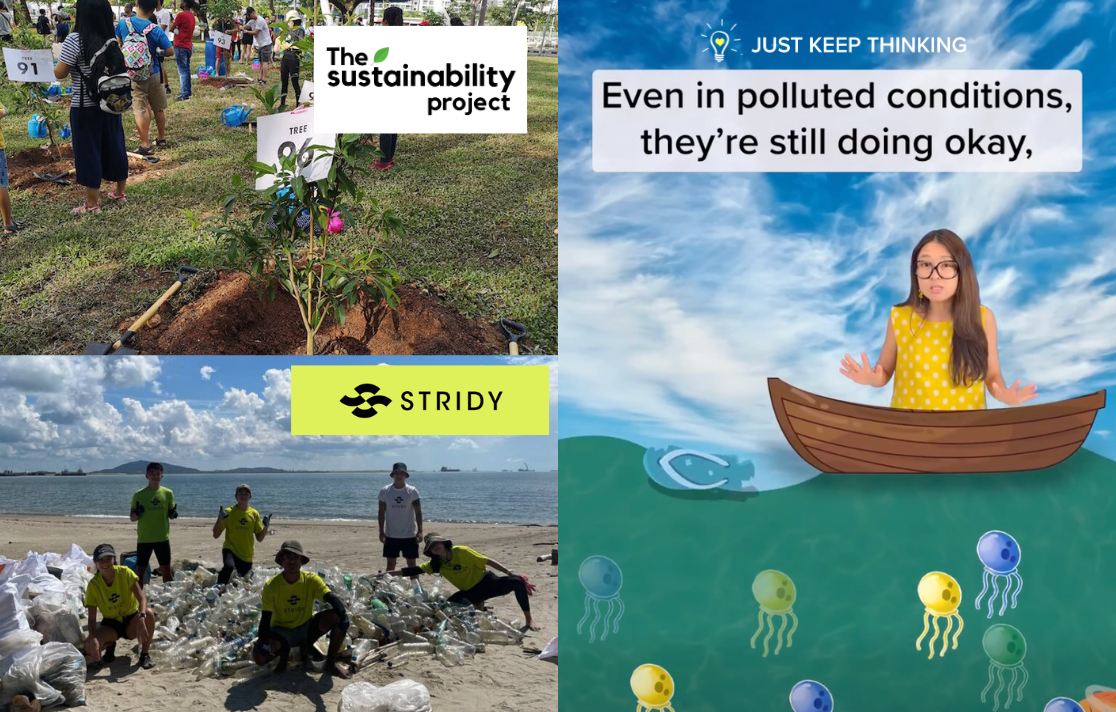
Some groups have continued to quietly build and strengthen the ecosystem over time. The Sustainability Project has created consistent community touchpoints around conscious consumption. Stridy has mobilised large-scale ground-up clean-ups while building data and awareness around waste. Just Keep Thinking with Biogirl MJ has used education and outreach to make environmental issues more relatable and personal. Each of these efforts reflects a different approach, but all contribute to the same larger shift.
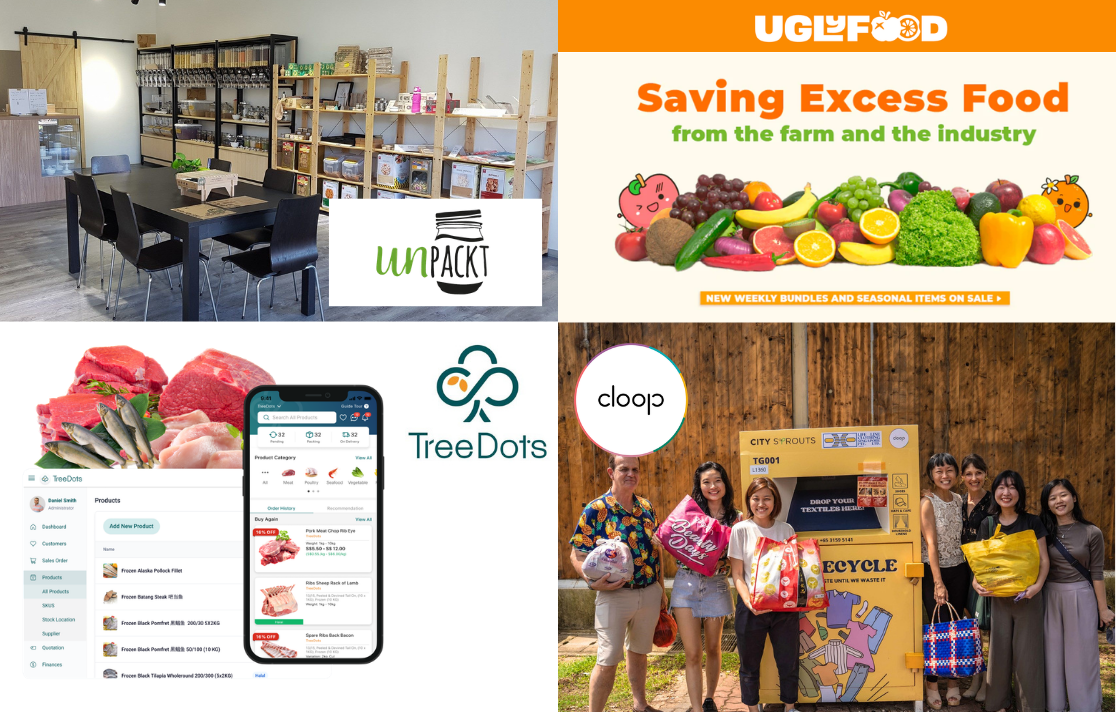
On the consumer front, a number of early businesses tried to reshape how we buy and consume. Stores like Unpackt, Reprovisions, ECO.Le and others in the refill and bulk movement worked to normalise packaging-free shopping. Some of these efforts were short-lived, and several have since closed. But their presence mattered. They tested behaviours before the market was ready. They made new habits visible. They helped people imagine alternatives.
There were also initiatives that challenged how we think about value and waste. UglyFood and TreeDots pushed conversations around food waste into everyday consumer awareness, while platforms like The Fashion Pulpit and Cloop explored circular approaches to clothing and consumption. These were not just business models, they were attempts to shift mindsets.
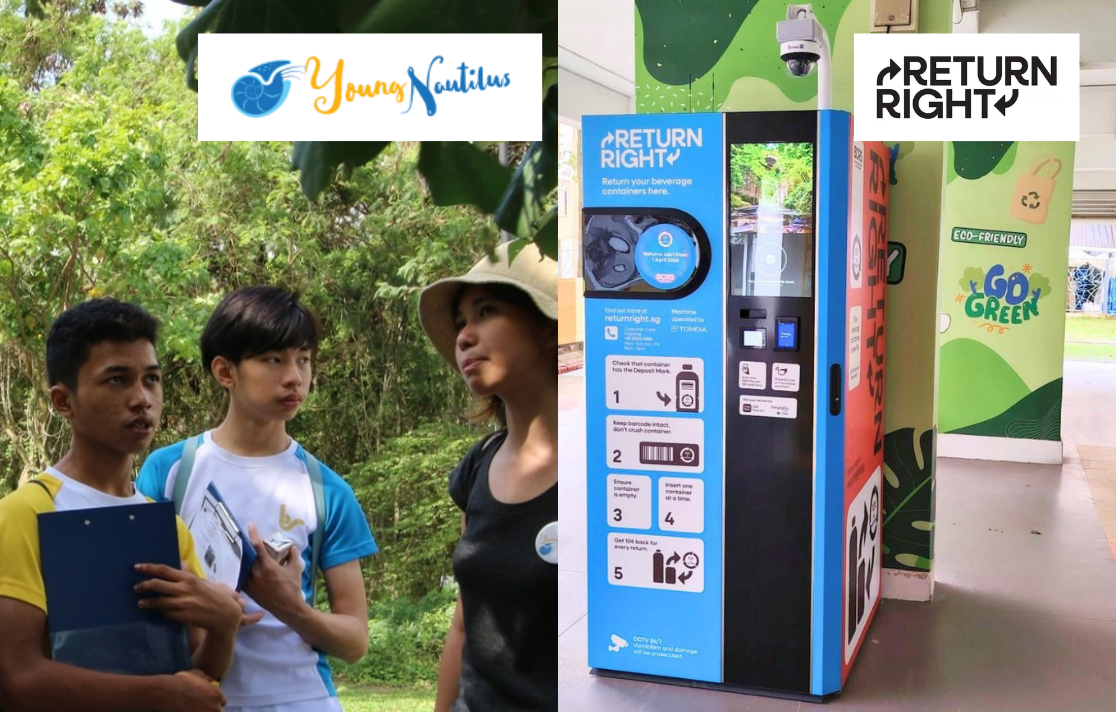
Beyond waste and consumption, wildlife and nature advocacy has also taken meaningful steps forward. Groups like Young Nautilus and The Untamed Paths, among many others, have helped more people reconnect with Singapore’s natural environments not just as spaces to visit, but as ecosystems to understand and protect.
At the same time, we recognise the important role that government agencies and national initiatives have played in shaping Singapore’s sustainability landscape. Policies, infrastructure, and long-term planning have created the conditions for change at scale. Recent developments such as the Beverage Container Return Scheme (BCRS) reflect this shift, but they are not created in isolation. They build on years of advocacy, public education, and behavioural change efforts driven by both institutions and citizen groups.
This reflection is not, and cannot be, a complete account. There are many individuals, informal groups, small businesses, educators, volunteers, and community leaders whose names are not mentioned here. Their absence is not a reflection of their importance. In many cases, it is precisely because their work was quiet, localised, or behind the scenes that it mattered so deeply.
Taken together, these efforts form something larger than any single initiative. They represent years of persistence, experimentation, and belief. Not all of them succeeded in conventional terms. Some evolved. Some closed. Some quietly faded. But each contributed to widening the space for sustainability in Singapore, making it easier for the next person, the next group, the next organisation to step forward.
In many ways, sustainability in Singapore has grown layer by layer. First, people made others care. Then, they created spaces to talk. Then, they built communities to try. Only after that do we begin to see broader acceptance, stronger policy alignment, and wider participation.
This is why it matters to look back.
Not out of nostalgia, but out of respect. Because when we recognise that we did not start this, we also recognise that we are part of something ongoing — a shared effort, a collective responsibility.
Our work in Green Nudge is only possible because of those who came before, including those who gave their time, energy, and conviction without knowing what would come of it.
And so, as we continue to push forward, we do so with a simple reminder:
We are not building alone.
We are continuing.
And perhaps more importantly — the strength of Singapore’s sustainability movement has never been in any single idea, organisation, or solution.
It has always been in its diversity.
Get the latest news from Green Nudge
Green Views
Nov 23, 2025
5 min
read
As Singapore households shrink in size, we’re facing a quiet paradox: our per-capita waste is falling, yet the total amount sent to Semakau landfill keeps climbing. It may look like we’re throwing away less individually — but the mountain of waste continues to grow. Why?
Green Views
Nov 14, 2025
5 min
read
Singapore’s waste system was built to keep a young, fast-growing city clean and disease-free. It worked brilliantly. But the same system is now struggling against the sheer volume and complexity of waste we produce today.
Green Views
Sep 10, 2025
5 min
read
After years of organising urban cleanups across Singapore—from beaches and parks to urban streets and heartland void decks—we’ve come to expect a few constants: the occasional plastic bag, drink bottles, maybe even an abandoned umbrella. But the one thing that shows up every single time we do a cleanup? Cigarette butts.