Every year, Singapore releases its waste statistics, and every year, the headlines tend to focus on a familiar set of numbers.
The 2025 figures are, in many ways, encouraging. In 2025, each person generated an average of 0.83kg of domestic waste per day, down from 1.06kg in 2015 — a reduction of about 21% over the past decade. Businesses have also become more resource-efficient, with non-domestic waste generated per billion dollars of GDP continuing to decline. These are positive signs that suggest many Singaporeans and organisations are becoming more mindful about the way we consume resources.
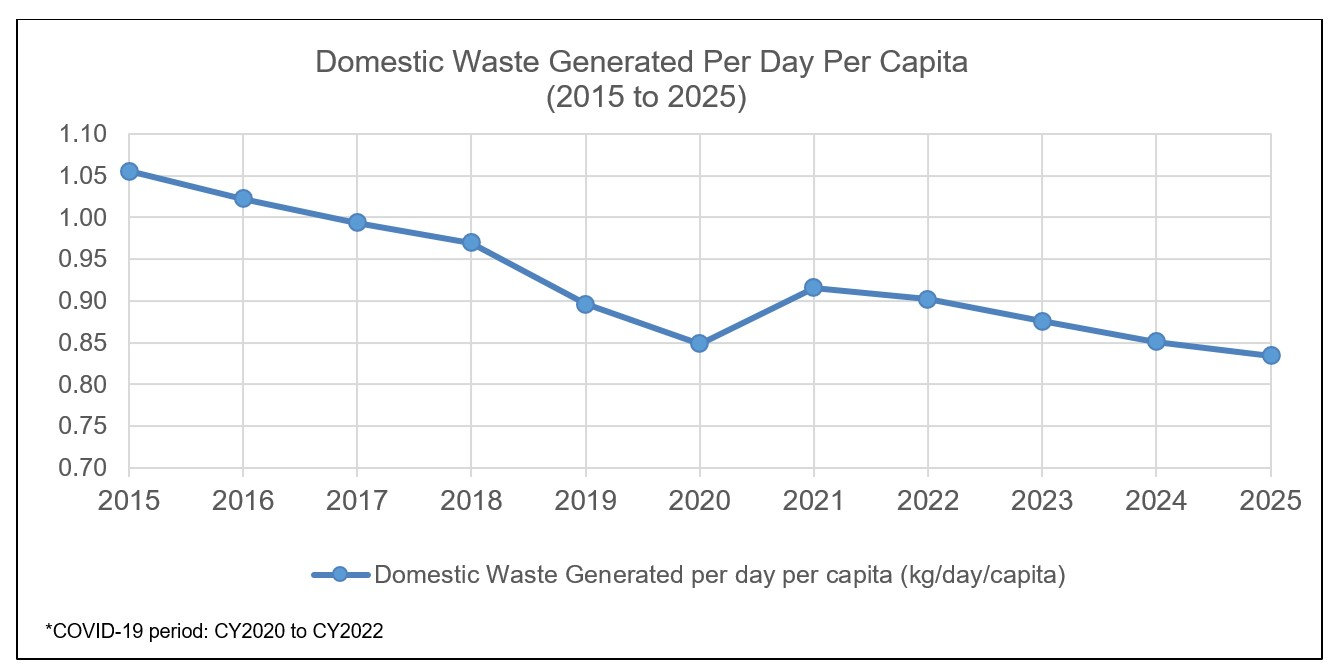
Despite the decline in per capita waste generation, the total amount of waste disposed of in Singapore reached approximately 3.36 million tonnes in 2025, the highest recorded to date. This should not be surprising, as a growing population and expanding economy mean that even if each individual generates slightly less waste, the total amount requiring collection, transport and treatment can still increase.
After spending the last few years working alongside communities, waste collectors, recycling partners and organisations across Singapore, I would also like to offer a different perspective.
Besides looking at how much waste we generate, what if we were to consider when we generate it?
As a statistics major, I appreciate that annual statistics are incredibly valuable because they allow us to track progress over time. However, they also have an inherent limitation. When we read that each person generates a certain amount of waste every day, it is easy to subconsciously imagine that waste is produced at a relatively constant rate throughout the year.
But life doesn’t work that way. We move houses or offices. We celebrate occasions including festivals, holidays and birthdays — and, this year, the World Cup. Accordingly, waste follows these rhythms. While current data can reveal what has happened, it does not tell us when it happens.
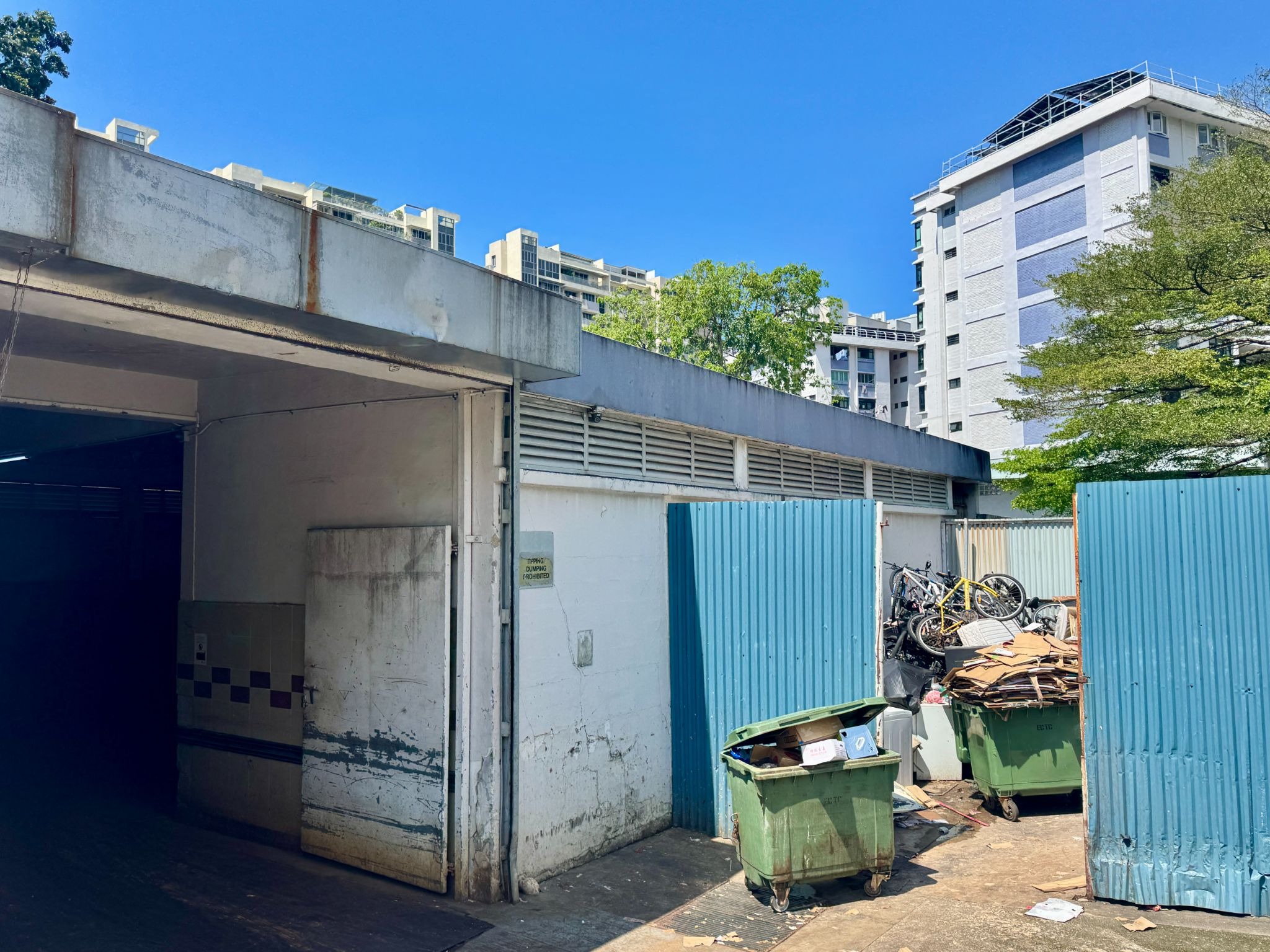
One of the most interesting observations I have gathered from people working in the waste sector is that they can often tell what time of year it is simply by looking at what people throw away. Speak with waste collectors, recycling operators or charities that receive donated goods, and many will describe familiar seasonal patterns.
Just as Singapore experiences monsoon seasons, I would imagine that waste in Singapore has its own version of a “monsoon season” — a period in the second half of the year when waste activities often become noticeably busier.
Deepavali, Christmas, Lunar New Year preparations and Hari Raya bring celebrations, gifting, decorations, food and packaging. Towards the end of the year, households begin spring cleaning and decluttering. Students buy new uniforms and textbooks while discarding the old ones. Businesses replace equipment or clear storerooms before the start of a new financial year. The result is not simply more waste spread evenly across twelve months, but a surge of waste concentrated within a much shorter period.
Recognising that waste has a season is important because a city generating the same annual amount of waste can place very different demands on its waste management system depending on whether that waste is spread evenly throughout the year or concentrated within a few months.
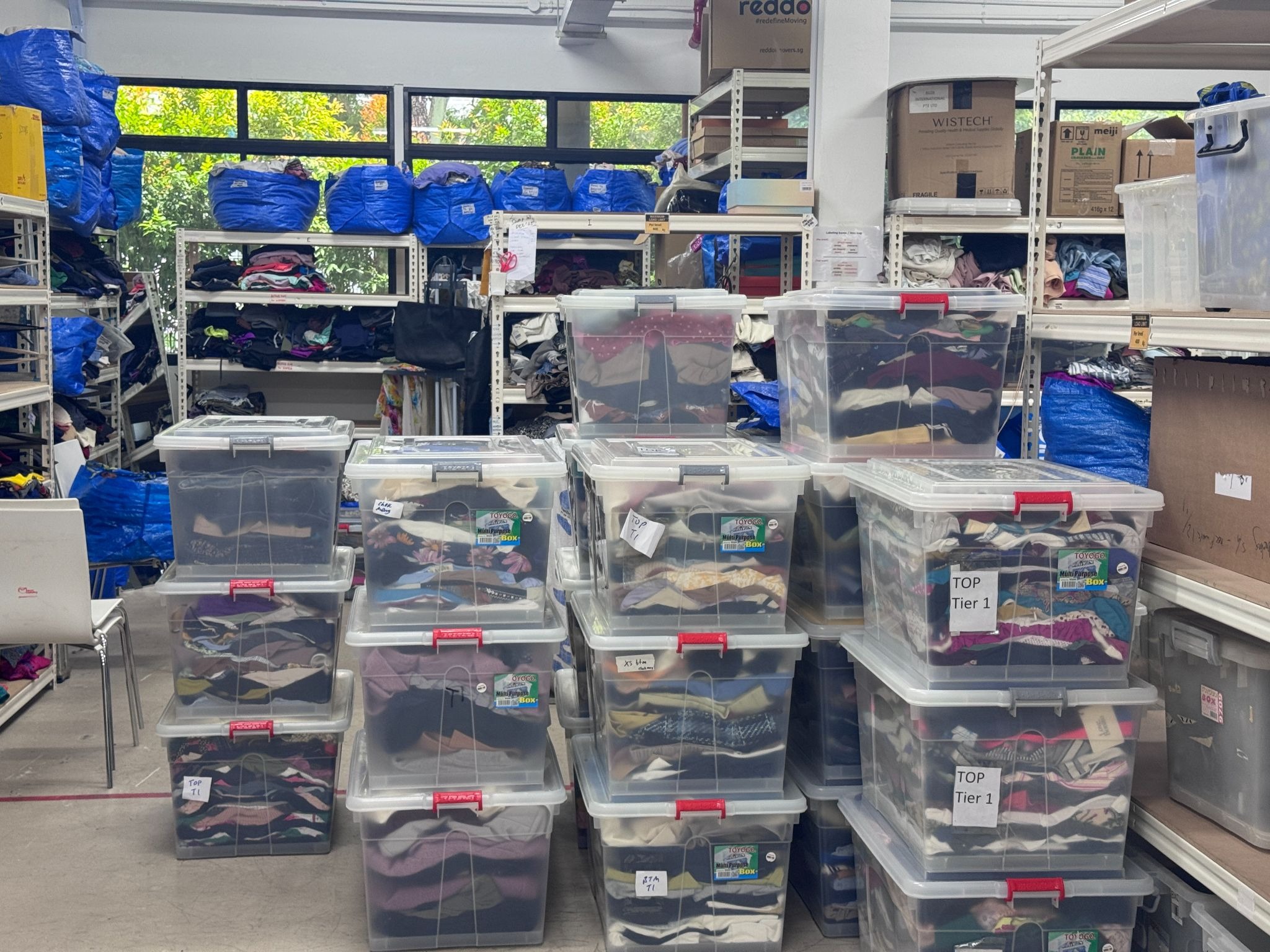
Charities such as The Salvation Army often receive large waves of donations towards the end of the year as households clear wardrobes, bookshelves and storerooms. The generosity is admirable, but the timing also means that charities have to process an enormous volume of donations within a short period. If these items are not properly sorted, stored or redistributed, they may eventually become waste — which would be a pity.
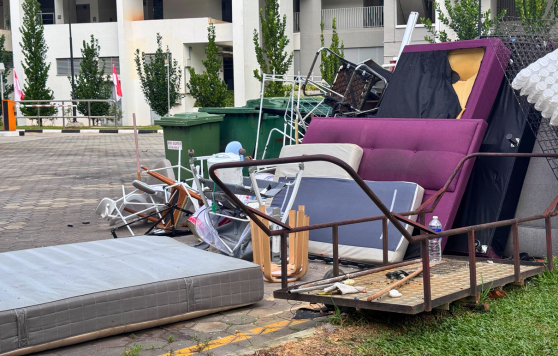
Before Lunar New Year, many town councils may experience an increase in requests for bulky item disposal as families replace furniture and household appliances. Without sufficient support for collection and disposal, these items can become a public safety and hygiene concern when left unattended.
Festive celebrations naturally bring more packaging waste. Red packets, mooncake boxes, festive hampers, decorative wrapping and disposable dining items can quickly enter the waste stream after celebrations end. While informal groups help to collect and redistribute some of these items, these are often small-scale efforts addressing what is ultimately a larger structural challenge.
Beyond festive periods, large-scale events such as marathons, concerts, exhibitions and community festivals can generate thousands of event shirts, medals, race bibs, promotional materials, lanyards and decorations within a single day. Many of these items are time-specific, making them less likely to be reused once the events are over, and they eventually contribute to Singapore’s waste statistics. Yet the decisions that create these materials are often made months earlier by event organisers, sponsors, procurement teams and suppliers — not by individual participants.
Seasonality is not unique to waste. Our roads experience peak-hour traffic. Our public transport systems carry far more passengers during the morning commute than at noon. Hospitals prepare for seasonal illnesses. Retailers increase staffing before major shopping periods. Even electricity demand rises during particularly hot days.
In each of these systems, we do not rely solely on increasing capacity. We also try to reduce or redistribute demand so that the system can function more smoothly. I believe that waste deserves the same systems thinking.
Rather than focusing only on building larger bins, increasing collection frequencies or expanding treatment capacity, we should also ask how we can reduce the seasonal peaks that place the greatest strain on the entire system. If we want to reduce waste meaningfully, we need to understand where the decisions that create waste are actually being made.
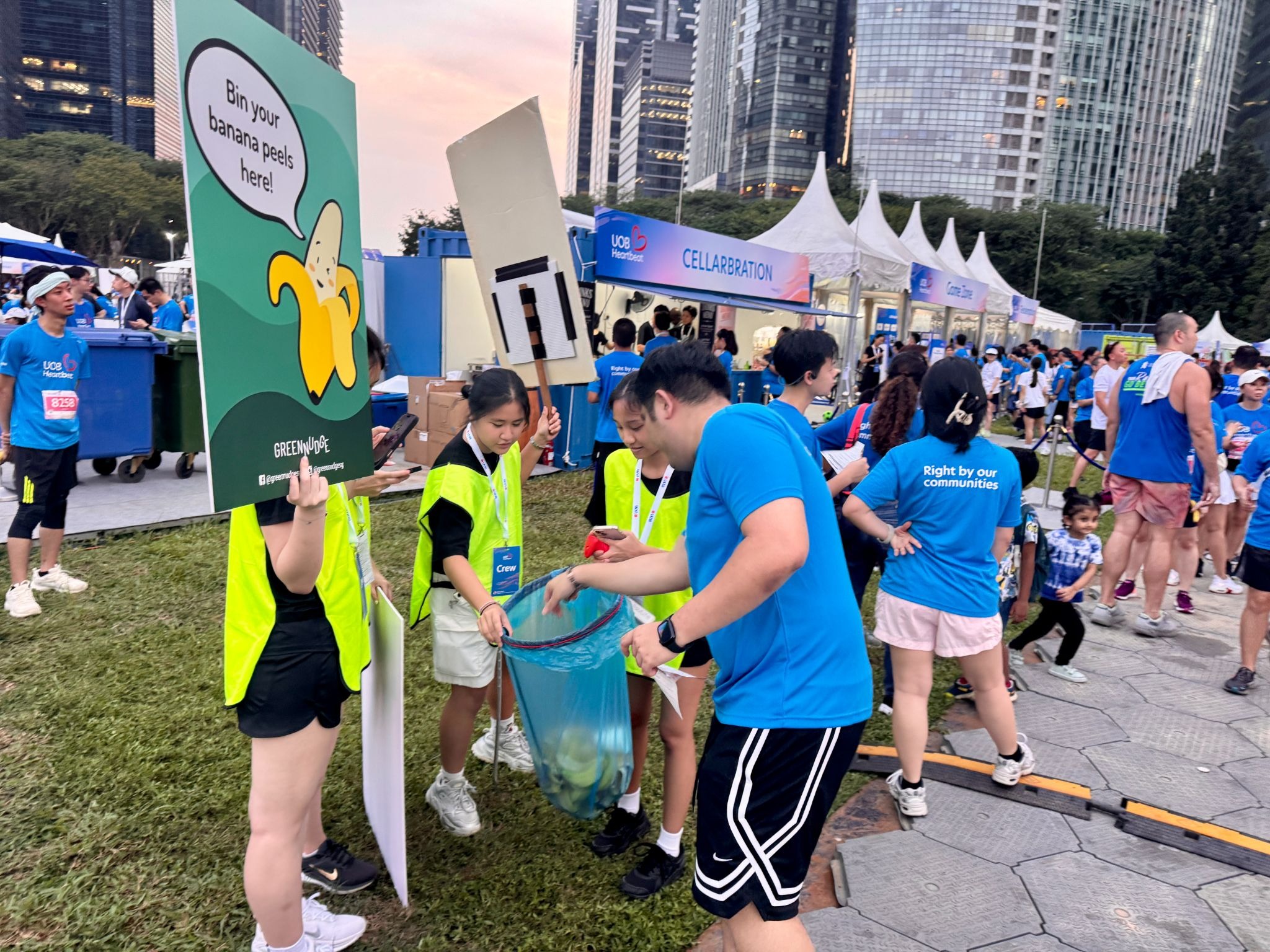
As someone working at the intersection of behavioural science and sustainability, I have come to learn that behaviour rarely changes simply because we provide more information. Instead, behaviour is more likely to change when we understand the context in which decisions are made.
If charities become overwhelmed every December, perhaps we should encourage households to donate throughout the year instead of waiting for annual spring cleaning.
If households generate more waste before festive seasons, then reminders to reduce food waste, avoid unnecessary purchases or donate reusable items are likely to be most effective when introduced before these periods begin.
If large events generate significant amounts of single-use materials, then conversations should also involve organisers, sponsors, suppliers and venue operators and not just participants, to explore how these materials can be reduced, reused or properly managed.
If we only focus on individuals, we risk overlooking many of the places where waste is actually created. After all, a systems challenge requires a systems response.
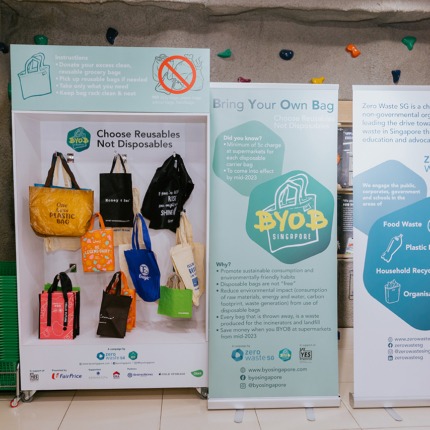
To be fair, this change should not be viewed as the sole responsibility of the government. While national campaigns play an important role in setting direction, lasting behaviour change has always depended on, and should continue to depend on, a much wider ecosystem of partners.
Environmental organisations such as Zero Waste SG, with its Bring Your Own Bag campaign, and WWF’s newly launched Eco Dabao, a district-wide return-and-reuse takeaway system in the Central Business District, demonstrate how organisations can reinforce the same messages in ways that are timely and locally relevant. I would argue that churches, temples, mosques, community clubs, charities, residents’ networks, event organisers and businesses can play an equally important role in Singapore’s next phase of waste reduction.
Many of us wait until the end of the year before donating items we no longer need. The intention is generous, but the timing means thousands of households are making the same decision simultaneously. If a bag of clothes is no longer needed today, there may be little benefit in storing it for another six months before passing it on. Spreading donations throughout the year helps charities manage their resources more effectively while allowing someone else to benefit from these items sooner.
The latest waste statistics should give us confidence that progress is possible. Singaporeans are generating less waste per person than we did a decade ago, and that is worth celebrating.
As Singapore continues to strengthen its approach towards reducing waste, perhaps it is time to complement our focus on how much waste we generate with when it is generated. By understanding the rhythms of waste, we can design better interventions.
If waste has seasons, then perhaps our policies, campaigns and partnerships should have seasons too.
Get the latest news from Green Nudge
Green Views
Nov 23, 2025
5 min
read
As Singapore households shrink in size, we’re facing a quiet paradox: our per-capita waste is falling, yet the total amount sent to Semakau landfill keeps climbing. It may look like we’re throwing away less individually — but the mountain of waste continues to grow. Why?
Green Views
Nov 14, 2025
5 min
read
Singapore’s waste system was built to keep a young, fast-growing city clean and disease-free. It worked brilliantly. But the same system is now struggling against the sheer volume and complexity of waste we produce today.
Green Views
Sep 10, 2025
5 min
read
After years of organising urban cleanups across Singapore—from beaches and parks to urban streets and heartland void decks—we’ve come to expect a few constants: the occasional plastic bag, drink bottles, maybe even an abandoned umbrella. But the one thing that shows up every single time we do a cleanup? Cigarette butts.